
Real Estate Magazine

Realty Blogs

The Visionary Marketer Who Saw Before Others!

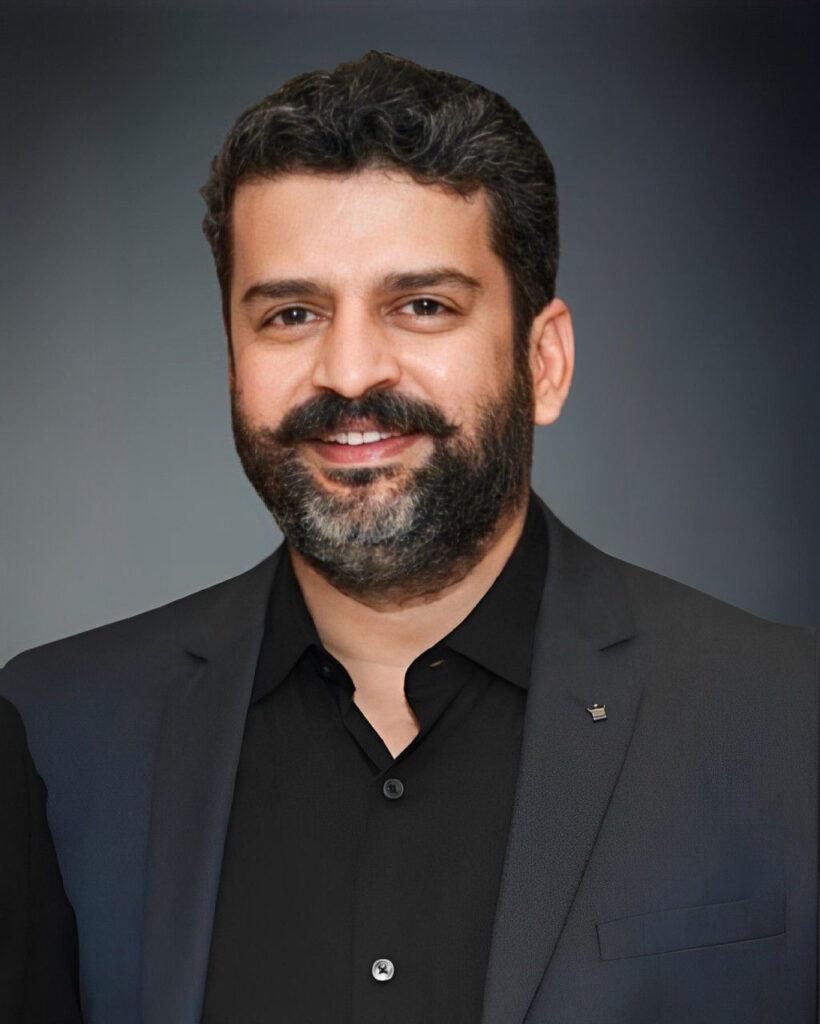
Some success stories are years in the making, and Mithilesh Ghorpade’s journey is no exception. A dynamic entrepreneur, he is an academician, strategist, dreamer, and someone who’s not afraid to get his hands dirty—always in the right ways. Known for his relentless innovation and commitment, Mithilesh believes in pushing boundaries to create impactful strategies. His work in brand communication and marketing has shaped campaigns for global brands across industries. A Legacy Rooted in Advertising Mithilesh’s connection to the world of advertising and brand communication runs deep. His father, Mahesh Ghorpade, was the mastermind behind Revell Creations Pvt. Ltd., a renowned agency that crafted branding strategies for major real estate companies in Pune. Growing up in this creative environment, Mithilesh was introduced to brand communication at an early age, which laid the foundation for his future success in marketing. The Man Behind the Vision While the marketing field is highly competitive, Mithilesh has surpassed many by evolving from a creative contributor to a strategic thinker and problem-solver. His approach to business has been shaped by a philosophy passed down by his father: “We don’t want to be stuck doing just one thing. Whatever comes our way, we figure it out.” This adaptability and forward-thinking mindset have helped him stay ahead in the ever-evolving marketing landscape. Mithilesh quickly realized that marketing was transitioning from flashy advertisements to more structured, scientific strategies. His extensive travels and studies across continents helped him refine his expertise and cement his reputation as a global trendsetter in marketing. Academic Excellence and Thought Leadership Mithilesh’s journey began with a Bachelor of Business Administration (BBA), followed by industry experience before pursuing a Master’s in Strategic Marketing and Entrepreneurship from the University of London. His thirst for knowledge led him to delve deeper into market research and consumer psychology, eventually earning a double PhD from King’s College London, specializing in Neuromarketing. His research, which merges neuroscience with marketing, focuses on understanding consumer responses to branding, advertising, and media to improve brand engagement. Mithilesh’s work in Neuromarketing has been guided by renowned scholars like Dr. Lee Quinn and Dr. Crowley, positioning him as a thought leader in the field. Kynos Media: A 360-Degree Marketing Powerhouse Kynos Media, Mithilesh’s brainchild, goes beyond traditional digital marketing. Unlike others that limit themselves to digital campaigns, Kynos provides comprehensive brand consultancy, including brand identity development and IPO launch support. With its holistic approach, Kynos ensures clients receive end-to-end solutions in strategic marketing, brand identity, and media planning. What sets Kynos Media apart is its focus on consumer psychology and data-backed strategies. By leveraging insights into consumer behavior, Kynos helps brands achieve long-term growth. Clients from industries like real estate, education, healthcare, government projects, and hospitality flock to Kynos for its expertise. Bridging the Gap in the Marketing Industry Mithilesh recognized early on the flaws in traditional marketing strategies, which often lacked structure and focused on trial-and-error approaches. To bridge this gap, he developed a research-based approach, integrating targeted advertising, data analytics, and quick return-on-investment (RoI) strategies. A strong advocate for Neuromarketing, Mithilesh uses EEG to track consumer behavior and predict how different demographics respond to marketing stimuli. Global Expansion and Future Plans While Kynos Media has made its mark in India, Mithilesh is now taking it global, with a growing presence in London and strategic collaborations worldwide. The future for Kynos involves transitioning from daily campaign management to a more specialized role in strategic brand consultancy. Mithilesh plans to work with 20-25 niche brands, helping them develop long-term marketing strategies. Beyond Business: A Multifaceted Personality For Mithilesh, technology and software are just as important as marketing. He has ventured into coding in varied languages and participated in robotics programs at NASA, showcasing his passion for innovation. A hands-on entrepreneur, he doesn’t just advise clients from the sidelines but immerses himself in their industries to provide data-driven solutions. The Ultimate Surprise: A Legacy in the Making Mithilesh Ghorpade’s story is not one he expected to be told, but it is a journey that deserves to be shared. With his blend of academic rigor and business acumen, he is reshaping the future of marketing globally. His contributions to strategic marketing and branding are already making an impact, and as he continues to push the boundaries, he is set to leave a lasting legacy in the marketing world. Mithilesh Ghorpade Founder, Kynos Media mithilesh@kynosmedia.co.in

The Visionary Marketer Who Saw Before Others! Read More »

Heritage Walk

Reviving Traditional Architecture: The Essence Of Vernacular BUILD Craft! Built heritage is a reflection of a region’s cultural identity, history, and collective memory, showcasing the ingenuity of traditional craftsmanship and architectural wisdom. It is an embodiment of local materials, construction techniques, and community-driven spatial planning that has evolved over centuries. Traditional architecture not only serves as a source of inspiration for contemporary design but also offers valuable lessons in sustainability, climate responsiveness, and cultural continuity. However, rapid urbanization, modernization, and changing perceptions of progress have led to the neglect of vernacular practices. This article explores the significance of traditional crafts in space-making, the diversity of architectural styles across India, and the urgent need to bridge the gap between heritage and modern architecture. The crafts encompass the making of space and all the aspects associated with it. Traditional architecture brings out the flavour of a region through its structural elements and spatial configurations, offering insights into community involvement in the process of space-making. Experiencing traditional architecture first-hand allows one to grasp fundamental design principles and fosters an understanding of space, aesthetics in minimalism, sustainability, and structural stability. These aspects are crucial in the learning, teaching, and practice of architecture (Thakkar, 2011). Today, India exhibits a rich diversity of vernacular styles, shaped by geography, climate, and available materials. From the Kath-Kuni construction of Himachal Pradesh to the timber-framed houses of Ahmedabad, the stone masonry homes of Kutch and Saurashtra, and the bamboo houses of South Gujarat, each style is deeply rooted in local traditions and responds effectively to micro-climatic conditions. These traditional buildings, inherently sustainable and resource-efficient, stand in harmony with their surroundings (Vandenhende, 2015). Despite its advantages, vernacular architecture faces widespread misconceptions, particularly among India’s middle class. Many believe that progressive architecture is synonymous with the use of concrete and steel, while vernacular materials are perceived as inferior or outdated. There is also a misconception that only those who cannot afford modern materials opt for vernacular construction, while building crafts are considered a luxury reserved for mansions and palaces. This detachment from traditional practices is leading to the gradual loss of built heritage and indigenous knowledge systems. Interestingly, contemporary society has begun to recognize the value of organic and locally sourced products in food and fabric. Similarly, there is a growing awareness of the benefits of living in contemporary structures built with natural materials. A similar shift in perspective is required in architecture—to integrate vernacular wisdom with modern needs, ensuring a sustainable and culturally rooted built environment. Traditional architecture is not just about preserving the past; it is about learning from it. By reviving traditional crafts, incorporating them into contemporary design, and addressing the misconceptions surrounding vernacular materials, we can create spaces that are both culturally meaningful and environmentally responsible. Built heritage is not a relic of the past but a living source of knowledge that can shape the future of sustainable architecture. Ar. Sharduli Joshi Associate Professor, SMEF’s Brick School of Architecture, Pune shardulijoshi@brick.edu.in

Heritage Walk Read More »

NAR-India Annual Convention 2025

Shaping the Future of Indian Real Estate New Delhi, March 21-22, 2025: The 17th NAR-India Annual Convention, hosted by the National Association of Realtors India (NAR-INDIA) in collaboration with APP Delhi NCR, commenced with grandeur at JW Marriott, Aerocity, New Delhi. The prestigious event brought together policymakers, industry leaders, and real estate professionals from India and around the globe to discuss the future of Indian real estate. Hon’ble Manohar Lal Khattar, Minister of Housing and External Affairs in the Central Government, graced the event with his esteemed presence. Addressing the gathering on the occasion of World Realtors Day, Khattar Ji lauded the real estate sector’s contributions to nation-building, highlighting its significant 18% contribution to India’s GDP. He commended NAR-India and the entire real estate fraternity for their pivotal role in driving economic growth. The convention spotlighted key reforms and emerging trends shaping the real estate landscape in India. Engaging panel discussions covered crucial topics, including the Real Estate (Regulation and Development) Act (RERA), the proposed One Nation, One Licence system for brokers, and the growing emphasis on certification and training for real estate professionals. Experts stressed the need for structured education, ethical practices, and regulatory knowledge to meet the sector’s evolving demands. The event was further elevated by the presence of several distinguished guests, including Mr. Anand Kumar, Chairman of RERA Delhi, and Mr. Aman Gupta, Co-founder and CMO of boAt. Adding to the dynamic atmosphere were captivating sessions by author and speaker Mr. Chetan Bhagat, stand-up comedian Gaurav Kapoor, and actress Ms. Divya Dutta. Senior journalist Ms. Manisha Natrajan, along with global real estate leaders such as Ms. Marion Weiler (VP, Stellar MLS & UCO), Ayres Dcunha (NAR Global Ambassador to India and Thailand), Dr. Matthew Kallumadil (VP, Technology Innovation and Global Markets at Stellar MLS & UCO), Sam DeBord (CEO, RESO), and Shayne Fairley (COO, Stellar MLS & UCO) shared valuable insights, adding depth and diversity to the discussions. The 17th NAR-India Annual Convention proved to be a powerful platform for meaningful dialogue and collaboration. With the active participation of policymakers and industry experts, the event reaffirmed NAR-India’s commitment to advancing the real estate profession. It successfully paved the way for a progressive roadmap, fostering growth, innovation, and excellence in India’s real estate sector.  

NAR-India Annual Convention 2025 Read More »

Radical reforms will make Real Estate $1 trillion market by 2030

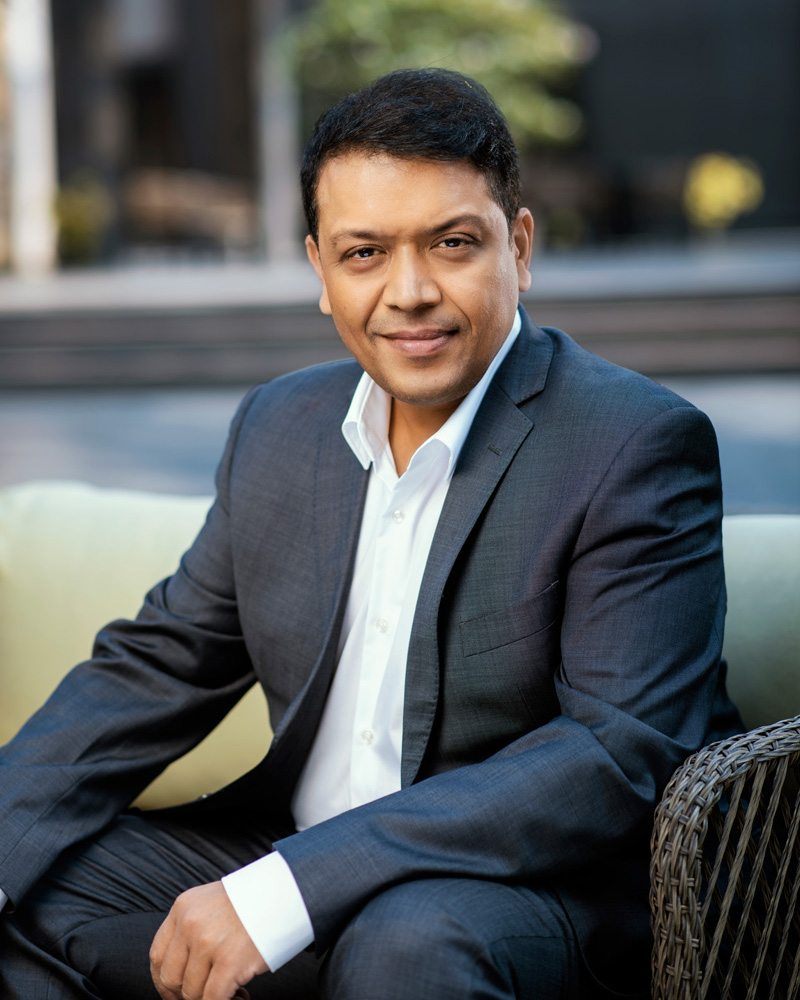
Vast swathes of land with construction activity and glittering buildings dotting the skyline greets you as you drive through the newly built urban highways and expressways in Indian cities! The massive transformation in the country’s physical, social and digital infrastructure is evident and its impact palpable. The Indian government has spent `54 lakh crore on capital expenditure in the last 11 years. This has had a huge multiplier effect on economic growth and consumption demand, benefitting sectors like real estate, manufacturing and services – the major job creators in the economy. For India to become the third largest economy by 2030, the real estate sector will play a vital role. Rapid economic growth has led to a rise in urbanisation and affluence of Indians. Urban areas are projected to house 40% of the population by 2030, and per capita income of India is expected to surge by nearly 70% to reach $4,000 by 2030. These factors will create unprecedent demand for real estate. The sector is projected to reach a market size of $1 trillion by 2030 from $300 billion currently with its contribution rising from 7% of GDP to 15%. To achieve this, the sector must embark on an ambitious growth path. For that to happen, radical reforms must be undertaken in areas like taxation, approvals, ease of doing business, access and affordable credit, affordable housing to propel demand and attract domestic & foreign capital into the real estate sector. India’s GDP at current prices is expected to reach $7.3 trillion by 2030 from $3.5 trillion in 2023-24, thereby overtaking Japan to become the third largest economy after the USA and China. Paradigm shifts in real estate India’s real estate has undergone a paradigm shift since the operationalisation of RERA in 2017. It has brought about vast improvement in compliance by real estate developers as a result of which the sector has seen huge transparency leading to a rise in investments by individuals, domestic and foreign institutional investors. According to PropEquity data tracking RERA across 20 states, 1.43 lakh projects have been registered comprising 1.11 crore units between January 2017- January 2025. Renewed Momentum post-pandemic The sector has seen a cycle of growth never seen before in the past four years (2021,2022,2023,2024) after two years of slow growth which started in 2019 and dropped to its lowest during the COVID pandemic in 2020. The pandemic ushered in strong homebuying sentiments from both domestic investors, who wanted to either upgrade to a new home or invest in this wealth-creating-income-generating asset class owing to rise in aspiration and affluence. NRIs too jumped onto the bandwagon and wanted a piece of real estate in their hometown back in India. To add to this, the massive infrastructure development like expressways and highways, airports, metro rail and rapid transit systems, modernisation of railways among others placed real estate sector amongst the best performing asset class. These factors have played an important role in driving up housing sales and real estate price exponentially over the past five years. According to PropEquity, the average housing price in India’s top 9 cities have gone up by 88% in the last five years with cities like Gurugram, Noida, Bengaluru, Hyderabad and Chennai recording growth between 80-160%. During this period, the housing sales have gone up from Rs 2 lakh crore to Rs 6 lakh crore across top 9 cities with units sold rising from 2.7 lakh units to 4.7 lakh units. The trend across India’s tier 2 cities is similar. In 2024, housing sales in India’s top 15 tier-2 cities saw a 4% increase in units sold to 1,78,771 units and a 20% rise in sales value, reaching ₹1.52 lakh crore. Office leasing crossed 75 million sq. ft. in 2024 with strong demand from technology, BFSI and co-working operators. India’s warehousing sector leased 25.6 million square feet in 2024 while retail leasing touched 6.4 million sq. ft. Conclusion The need of the hour is to build on the momentum. Significant reforms on fiscal and monetary side must be undertaken to boost both demand and supply. The initiatives must not just incentivise developers by way of tax reliefs, policy tweaks and faster approvals but also homebuyers and investors to make it lucrative for them to invest in the real estate sector. These measures will unlock the full potential of the Indian economy and help it become a $1 trillion market by 2030 contributing significantly to GDP and employment. Samir Jasuja Founder and CEO

Radical reforms will make Real Estate $1 trillion market by 2030 Read More »

How Black Panda Engineered a Revenue Leap Without Adding a Single Client

From ₹3 Cr to ₹10 Cr What if someone told you your business could 3X its revenue without spending a single rupee on marketing or acquiring new customers? Sounds like a fantasy? That’s exactly what we did. At Black Panda Enterprises, we specialize in business turnarounds—and not the “let’s redesign your logo” kind. We get under the hood, fix what’s broken, and unlock hidden growth sitting right inside your current setup. Take this recent project: an Indian software company that had hit a wall. Annual revenue was stuck at ₹3 Cr, teams were demotivated, and clients were slowly drifting away. They had the talent, the clients, and the tech—but they were leaking value at every level. When they called us, we didn’t pitch shiny new tools or market expansions. We told them something different: “Let’s win with what you already have.” Here’s what we did: Rebuilt the leadership mindset from operational firefighting to strategic thinking. Streamlined internal operations so delivery became predictable, professional, and faster. Revamped HR systems—hiring, onboarding, performance tracking, and most importantly, retention. Installed financial discipline so the business could scale profitably, not just grow recklessly. Engaged deeply with existing clients, improved service delivery, responsiveness, and value delivery. And the outcome? Revenue jumped from ₹3 Cr. to  ₹10 Cr. annualized in just under 10 months. Zero new clients added. This was pure operational and relationship optimization. Now, here’s the part most CEOs and founders miss: the difference between systems and processes—and how this misunderstanding quietly caps their revenue. A process is a single thread—how you onboard a client, how you approve budgets, how you close support tickets. But a system is the engine—a connected set of processes, people, and tools that work in harmony to achieve outcomes. Most companies have a few good processes. Very few have functioning systems. That’s why revenue stalls. That’s why scale breaks. And that’s where we come in. Whether you’re in tech or real estate, services or construction—your growth is being throttled not by lack of opportunity, but by invisible gaps in how your business runs. At Black Panda, we don’t just fix operations—we engineer systems that grow revenue. Let’s talk. Your next ₹7 Cr. might already be in your business—you’re just not set up to see it. Leena Nair Founder & CEO, Black Panda Enterprises leena@blackpandaconsulting.com

How Black Panda Engineered a Revenue Leap Without Adding a Single Client Read More »

Chapter 2/4: Designing Homes That Feel Like You

At Archmaze Associates, our creations live this adage because we don’t just design buildings—we shape homes filled with comfort, beauty, and meaning. You feel great leaving it and even more so when you come back! To this end, as an architectural firm we specialize in creating private residences that are thoughtfully planned to keep things deeply personal, beautifully designed, and most of all, crafted in ways that go beyond dreams. To us, a home is beyond four walls and a ceiling. It’s a reflection of the people who live in it, their dreams and aspirations. That’s why every project of ours starts with listening carefully. We take time to understand your lifestyle, your preferences, and your dreams. Whether it’s a cozy weekend cottage or a large family home, our aim is to design spaces that feel just right—for you, every moment. Our approach is rooted in four key values. First, sustainability. We use eco-friendly materials and focus on natural lighting, ventilation, and energy-efficient systems. We design with nature, not against it. Second, functionality. Homes we help create are not only elegant but also practical. We create layouts that flow naturally—from living rooms that invite conversation to kitchens that support everyday life to bedrooms that induce the feeling of rest and happiness. Third, personal style. No two families are alike. We ensure that every home reflects the personality and lifestyle of its owners. Your taste, your habits, your comfort—it all matters. And fourth, timelessness. We believe good designs last. By using natural materials and simple, elegant forms, we create homes that look good today and still feel right years from now. Our design process is clear and collaborative. It begins with a friendly consultation where we discuss your goals, needs, and site conditions. We then study the land carefully, looking at light, wind, slope, and other natural elements. Next comes the creative part—translating your ideas into initial sketches and concepts. These ideas are developed into detailed drawings and specifications, using tools like CAD and Building Information Modelling (BIM). Throughout the process, we coordinate with experts in structure, lighting, ventilation, and more. Once everything is planned, we help you get the required permissions. We stay involved during construction, making sure your home is built exactly as it was imagined. At Archmaze Associates, we’re passionate about building more than houses—we’re building havens. Spaces where you can rest, grow, and celebrate life. Homes that welcome you every day with warmth and grace. Let’s build yours, together.   Ar. Sahil J Khinvasara Founder, & Principal Architect at Archmaze Associates +91 9021588829 archmaze09@gmail.com

Chapter 2/4: Designing Homes That Feel Like You Read More »

GET IN TOUCH
Scroll to Top