
Real Estate Magazine

Realty Blogs

The Real State of Real Estate – Go Exponential with AI, Agentic Intelligence & Global Integration

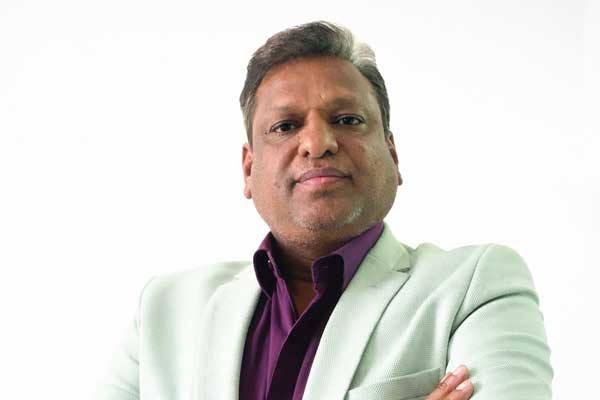
Real estate brokerage has always been a people business – built on trust, relationships, and local expertise. Yet today, we’re at a unique inflection point. Technology, globalisation and evolving consumer expectations are reshaping how we connect buyers with sellers, tenants with landlords, and investors with opportunities. For veterans of this industry, this change is not just rapid – it’s exponential. Over the years, I’ve led large brokerage networks, invested in proptech, advised infrastructure and asset management companies, and proudly served NAR-India in leadership capacities. The picture is clear: India’s brokerage profession is on the cusp of a transformation. Those who adapt will thrive; those who cling to yesterday’s methods risk being left behind. From Digitisation to Agentic Intelligence We moved from physical listings to online portals, from ledgers to CRMs. AI then enabled lead scoring, customer prediction and targeted marketing. Now comes agentic intelligence – AI as an active, decision-making partner. Such systems will analyse market data in real time, recommend pricing, flag deal bottlenecks and suggest cross-border opportunities. They won’t replace agents but elevate them, combining high-touch relationships with high-tech intelligence. Cross-Border Transactions: The Next Frontier Cross-border deals are no longer limited to the ultra-rich. Mid-segment investors seek overseas assets; NRIs dominate Indian markets. A client in Mumbai may want to invest in Dubai; an NRI in Toronto may want a home in Hyderabad. Cloud-based platforms and referral networks make cross-border deals as seamless as local ones – turning technology into a front-line revenue driver. MLS: The Missing Backbone in India India urgently needs a true Multiple Listing Service. Unlike portals that monetise broker data, an MLS ensures verified listings, automatic credit to listing agents, better co-broking and higher service standards. Most importantly, it gives brokers control of their own professional destiny as data becomes our industry’s currency. The Case for Professional Self-Reliance Portals and apps evolve into competitors. The answer isn’t confrontation but creation – own our data, strengthen client relationships, use social media directly, win exclusive mandates and build national networks that centre licensed professionals. AI, Agentic Systems and the Human Edge Technology is only as good as the professional using it. Future-ready brokers will blend AI with human skills – empathy, negotiation and market intuition – while maintaining ethical standards and client-centricity. Skills for the Next Decade Five core capabilities will define success: Tech-Enabled Intelligence Cross-Border Competence MLS Mastery Brand-Led Influence Financial Advisory Skills Think Local, Act Global, Be Glocal Indian brokers must remain undisputed local experts while plugging clients into opportunities worldwide – from advising NRIs on Indian markets to helping locals explore second homes abroad. An Industry Built on Collaboration Collaboration between brokers, developers and clients remains key. MLS, referral networks and joint mandates can enhance trust and transparency. Data-sharing and aligned incentives will amplify, not replace, human relationships. Purpose, Not Pessimism Change can feel overwhelming but it’s an invitation to redefine professionalism in India. The future belongs to brokers who combine high-touch relationships with high-tech tools, local expertise with global reach, and timeless values with timely innovation. The road ahead is challenging, but with purpose and unity we can lead change and ensure our profession is stronger, more respected and more relevant than ever. Authored by Sam Chopra: President & Country Leader, eXp Realty India; Chairman-India Operations, International Real Estate Partners; Venture Partner, India Accelerator; Former Vice Chairman & Past President, NAR-India; Board of Advisory, International MLS Forum; Podcast Host, The Real State of Real Estate Sam Chopra President, eXp Realty India

The Real State of Real Estate – Go Exponential with AI, Agentic Intelligence & Global Integration Read More »

Despite decline, housing market remains healthy in 2025

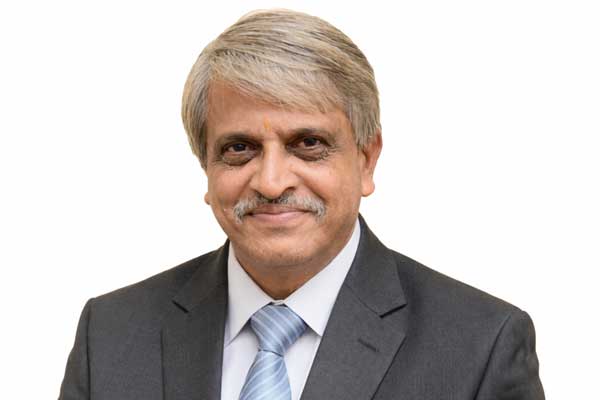
India’s residential real estate sector, despite coming off from the highs of 2022 and 2023, remains healthy dispelling concerns of supply built-up. The year 2025 will mirror 2024 as is evident from the launch and sales number so far this year. In the first nine months ending September 2025, new launches stood at 2,91,642 units and sales at 3,09,136 units. 2022 and 2023, the two years immediately after the pandemic, saw remarkable surge in the residential market. New launches grew by 33% in 2022 and 6% in 2023 while sales grew by 30% and 12% respectively. However, multiple factors, rising property prices being one of them, led to some moderation in 2024 with launches declining by 15% to 4,11,022 units and sales falling by 8% to 4,71,471 units. In the first nine months of 2025, housing sales and launches have shown dramatic decline with factors ranging from geo-political tensions to trade tariffs, economic uncertainties and heavy monsoon across India weighing upon homebuyers’ sentiments and slowing down the momentum. Despite launches declining continuously, the housing market remains healthy as the sales continue to be higher than the new launches. The year 2025 is expected to mirror 2024 with approximately 4 lakh unit launches and approximately 4.5 lakh sales, which is marginally lower than the 2024 numbers. Several trends have emerged even in the last two years, most noticeable being Bengaluru and Delhi-NCR. While Bengaluru emerged as the top housing supplier displacing traditional high supply markets like Pune, Thane and Hyderabad; Delhi NCR emerged as the luxury housing hub. Bengaluru has supplied more housing units in the last five quarters ending September 2025. In the nine months period, Bengaluru has seen the launch of 58,879 units as compared to 54,744 units in the same period last year, recording 8% growth. In 2024, the city saw 27% growth in new supply to 72,111 units. Trends suggest, 2025 will see the city surpass the launch numbers of 2024 indicating a strong end-user demand in the city known for a robust office stock, presence of global and domestic companies and ample job opportunities. On the sales front, the city has seen 49,554 units sold in nine months of 2025 as compared to 46,392 units in the same period last year, recording a growth of 7%. With current sales velocity, 2025 could surpass 2024 numbers of 61,116 units sold. Delhi-NCR, between 2022-24, saw 192% growth in new launches above Rs 1 crore. The region also pipped Mumbai and Hyderabad to emerge as the top selling housing market in 2024 owing to 66% growth in sales value in Gurugram alone at Rs 1.06 lakh crore. The total sales value of Delhi NCR rose by 63% in 2024 to Rs 1.53 lakh crore while that of Mumbai stood at Rs 1.38 lakh crore, up 13% and Hyderabad at Rs 1.05 lakh crore, down 18%. In Delhi-NCR, the weighted average sales price has gone up to Rs 12,469 per sq. ft. with absorption size of units rising to 2229 sq. ft. in 2024. More than half of the absorption has been in homes priced Rs 2 crore and above and a quarter in homes priced between Rs 1-2 crore. Samir Jasuja Founder and CEO, PropEquity samirjasuja@gmail.com +91 87438 08789

Despite decline, housing market remains healthy in 2025 Read More »

Blending elegance, comfort & functionality – Inside Raya Bungalow by Archmaze Associates

As a Founder and Principal designer of Archmaze Associates, we bring a blend of creativity, innovation, and sensitivity to every project. By taking the time to understand personalities, aspirations, and lifestyles, we ensure that each design resonates deeply with its occupants. Believing that a home is where people spend more than half of their lives, we approach design as an opportunity to shape environments that go beyond utility and beauty, spaces that embody the spirit of the people who live in them. For us, architecture and interior are not just about creating structures, but about crafting personal stories that clients can cherish for a lifetime. This modern residence was envisioned as a seamless blend of elegance, comfort, and functionality. The design embraces clean lines, open layouts, and a neutral palette, creating a calm yet sophisticated backdrop for everyday living. Accents of natural wood, textured finishes, and carefully curated lighting add warmth and character, ensuring the home feels inviting as well as contemporary. Every space within the residence has been thoughtfully crafted to reflect the lifestyle and personality of its occupants. From the expansive living area designed for family gatherings, to the serene bedrooms that offer privacy and relaxation, the interiors balance style with purpose. Bespoke furniture pieces and artful detailing lend individuality, while smart storage solutions maintain uncluttered simplicity. Ar. Sahil J Khinvasara Founder, & Principal Architect at Archmaze Associates +91 9021588829 archmaze09@gmail.com

Blending elegance, comfort & functionality – Inside Raya Bungalow by Archmaze Associates Read More »

The evolution and role of NBFC’s in India’s financial system

The Indian financial system has historically been dominated by banks, yet Non-Banking Financial Companies (NBFCs) have emerged as crucial players in bridging the credit gap for businesses and individuals. Banks are licensed intermediaries empowered to accept deposits, grant credit, clear cheques, and provide a wide array of financial services under the Banking Regulation Act of 1949. In contrast, NBFCs are companies registered under the Companies Act, 1956 or 2013 and regulated by the Reserve Bank of India (RBI). While they cannot accept demand deposits or issue cheques, NBFCs engage in activities such as loans and advances, credit facilities, investment in shares and bonds, leasing, hire-purchase, housing finance, and insurance-related services. The classification of NBFCs covers a wide range of activities, including microfinance institutions, infrastructure finance companies, core investment companies, mortgage guarantee companies, and housing finance companies (HFCs). RBI registration requirements include a minimum net owned fund of ₹2 crore, proper documentation, and adherence to prudential norms. Regulatory guidelines stipulate limits on interest rates, mandatory credit ratings, maintenance of 15% liquid assets against public deposits, and regular submission of statutory returns. Historically, NBFCs evolved to meet credit needs unmet by banks, especially during the 1960s when banking infrastructure was inadequate. Their popularity surged in the 1980s and 1990s due to their customer-friendly nature and ability to mobilize deposits. The RBI strengthened its regulatory framework through amendments to the RBI Act in 1997, introducing stricter supervision and mandatory registration. Between 2005 and 2015, NBFCs’ share of total credit rose from 10% to 13%, with even sharper growth in niche segments like home loans and commercial vehicle (CV) financing. HFCs’ share of home loans increased from 26% in FY09 to 38% in FY15, while NBFCs’ share in CV financing rose from 42% to 46% over the same period. The decline in PSU banks’ credit share, due to rising non-performing assets and capital constraints, allowed NBFCs and private banks to capture more market share. NBFCs have also embraced digital transformation, using surrogate data to make faster and more accurate credit decisions, thus serving self-employed and informal sector borrowers excluded from traditional banking. This agility has made them a driving force in sectors like microfinance, consumer durables, and two-wheeler financing. Overall, NBFCs have become a critical component of India’s credit ecosystem, complementing banks by serving underserved markets and contributing to financial inclusion. Their growth trajectory suggests that NBFCs will continue to play a vital role in India’s economic development. Dr. Adv. Harshul Savla Managing Partner of M Realty, Chairman-Statistics & Research, CREDAI National

The evolution and role of NBFC’s in India’s financial system Read More »

Housing sales heat up in tier 1 cities

H1CY’25 Snapshot from CRE Matrix India’s Tier 1 housing market recorded an all-time high of ₹3.6 lakh Cr. in primary residential sales during H1CY’25, reflecting robust demand despite a dip in overall unit volumes. Approximately 2.54 lakh units were sold during the period, down ~6% from 2.70 lakh units in H1CY’24. This decline in sales volume was more than offset by a sharp rise in average ticket sizes from ₹1.24 Cr. to ₹1.42 Cr. in H1CY’25 pointing to a clear consumer shift toward larger, higher-value homes. NCR led the market in revenue terms, contributing ~₹92,000 Cr., or 26% of pan-India Tier 1 city sales in value terms in H1CY’25. The region also recorded the highest value growth, at approximately 21%, largely driven by luxury housing in Gurugram. High-value transactions above ₹3Cr. bracket were concentrated in emerging corridors such as Dwarka Expressway and Golf Course Extension Road, where infrastructure upgrades and brand-driven launches have reshaped buyer preferences. MMR followed closely with a 23% market share, continuing its dominance in the upper-mid and luxury segments. While launches in the region remained muted, deal sizes stayed elevated, supported by end-user demand. Hyderabad and Bengaluru came in next, contributing 16% and 14% of the national Tier 1 cities’ revenue, respectively. Hyderabad recorded one of the highest average deal sizes at ₹1.84 Cr., second only to NCR, which had an average deal size of ₹3.66 Cr. in H1CY’25. Bengaluru’s shift toward apartments in the ₹1.5–3 Cr. range kept both markets active and resilient. Despite strong demand, new launches across Tier 1 cities declined for the second consecutive cycle. However, not all cities followed this trend — markets like NCR, Chennai, Hyderabad, and Bengaluru bucked the pattern, recording either stable or increased launch activity. Around 2.78 lakh units were launched in H1CY’25 — down ~8% from 3.02 lakh units in H1CY’24. Developers appear to be exercising caution, focusing on execution and inventory absorption rather than aggressive expansion. This tightening of fresh supply, combined with rising ticket sizes, is likely to keep inventory levels in check through H2. The widening gap between volume and value makes one thing clear: India’s top housing markets are no longer chasing numbers — they are chasing quality. Buyers are willing to spend more, but they are also more selective, preferring projects with trusted developers, better locations, and full- stack amenities. This premiumization trend, already visible in cities like Gurugram, Mumbai, and Hyderabad, is setting the tone for the rest of 2025. With the festive season ahead, H2CY’25 is expected to hold steady, supported by a pipeline of high-value launches and continued urban housing demand. However, signs of a cooling market are beginning to emerge — with moderated launch activity, fewer units sold, and buyers becoming more selective. The shift from affordable volume to value-led growth is evident, but sustaining this momentum will require careful market calibration. Abhishek Kiran Gupta CEO, CRE Matrix abhishekkirangupta@crematrix.com

Housing sales heat up in tier 1 cities Read More »

Balancing the five elements for harmony and prosperity

In today’s digital age, Vastu Shastra has become a trending subject across the internet, Instagram, YouTube, and countless social platforms. While this visibility has brought welcome attention, it has also created misconceptions. Vastu Shastra is not a shortcut to wealth or an instant remedy; it is a timeless science of energy, balance, and living in harmony with nature, a knowledge base developed through centuries of study by sages and scholars. Vastu Shastra teaches that the entire universe from our bodies to our homes — is composed of the five great elements: Space (akash), Air (vayu), Water (jal), Fire (agni), and Earth (prithvi). The essence of Vastu is maintaining equilibrium among these elements. This balance, known as “Vastu Correction” influences our physical, mental, and spiritual well-being. Mrs. Rajashree Pravin Khiwasara, who has been studying Vastu for 24 years, emphasizes that true understanding comes from continuous learning and practice. “Vastu is not merely about structures,” she explains, “but about correcting vibrations, flows of energy, and creating spaces where peace, prosperity, and consciousness thrive.” In her experience, buildings designed or adjusted according to Vastu principles naturally attract positivity and stability. Wealth and success, often associated with Vastu, are by-products of balanced living rather than the primary aim. According to the tradition, each building, whether a home, office, factory, or hotel, should be assessed not only for its physical layout but also for its energy field, surrounding geography, and occupants’ karmic patterns. This holistic approach combines Vastu with astrology, gemstones, sacred geometry, and rituals to create a customized solution for every space. Methods include studying the Vastu Purusha Mandala, directional analysis, and applying appropriate remedies in alignment with the five elements. Vastu Shastra is more than a set of architectural guidelines; it is a lifestyle that aligns our internal and external environments. When the mind is balanced, Vastu works; when Vastu is balanced, the mind flourishes. This interplay creates a foundation for true prosperity not only material but also emotional, mental, and spiritual. Vastu Consultancy for Builders and Developers Being into construction herself, under the brand name “Khiwasara Group”, Rajashreeji can see vastushastra from builders perspective and can simultaneously guide developers as well individual home owners benefitting both. As we all know construction and home making is a very capital intensive business, small mistakes can lead to heavy losses. So keeping in mind about bilateral benefit, one of the builder and second of the home buyer, Rajashreeji provides an adequate solution for layout planning in the initial stages. Rajashreeji says that a home cannot be 100% according to vastu, but the way she guides in planning of flat layout, she assures most of the space is aligned as per vastu, while ensuring minimum wastage of FSI. As Rajshreeji concludes, Vastu Shastra should be seen as a science of balance and consciousness rather than a commercial product. Practiced with sincerity, it offers a pathway to harmony, positive vibrations, and an enduring sense of well-being in any space.* Mrs. Rajashree P. Khiwasara Vastu Consultant apkhiwasara@gmail.com +91 9822046444

Balancing the five elements for harmony and prosperity Read More »

GET IN TOUCH
Scroll to Top