Real Estate Magazine

Author name: dreamspersqftmagazine

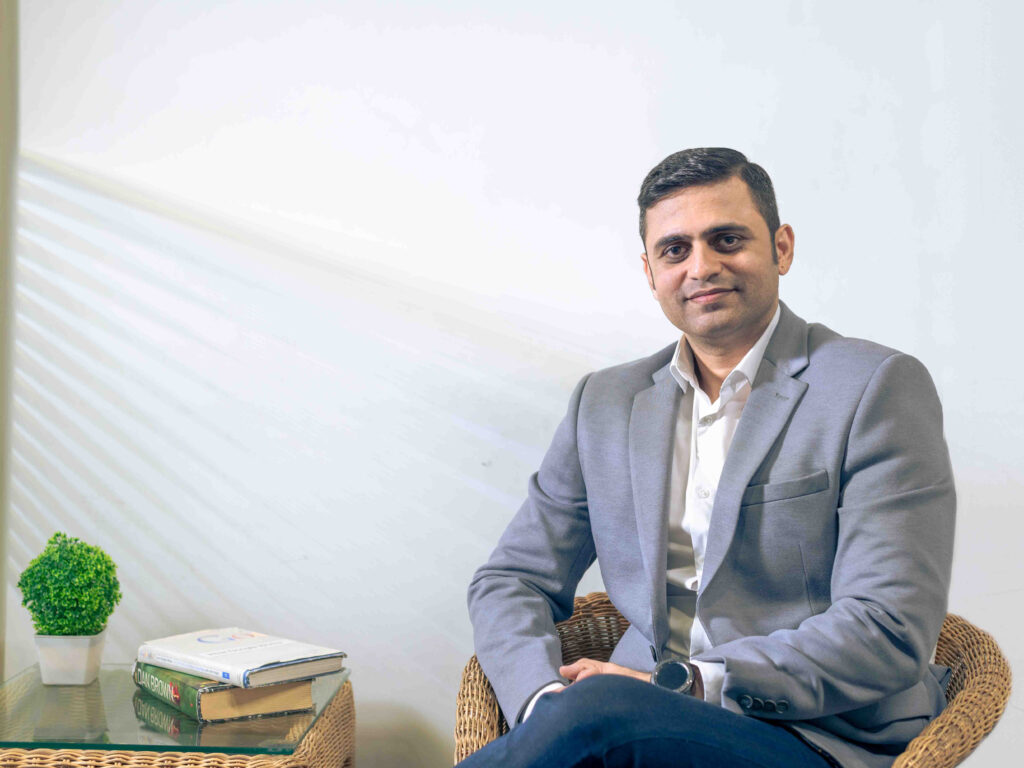
Business photo Apurv Sarda scaled

Apurva Sarda –

Pune: The Sweet Spot for Real Estate Investment in India   With more than 12 years of experience in the stock market, I have realized the importance of diversification. In my first two years of investment, I faced huge losses due to heavy concentration in my portfolio. However, I learnt from my mistake and redesigned my portfolio with proper diversification. I came up with a simple formula where an equity portfolio should consist of 15-25 stocks. We should also keep in mind that we should not invest more than 10% in any one stock and not more than 30% in any sector.   Similarly, in my first 5 years of experience in the stock market, I realized that diversification should expand beyond the stock market as an asset class. Real estate is one of the best asset classes to hold for the long term, and it has given multifold returns to the investors in India. It is an illiquid asset, where selling is a major problem in India. However, with the growth in the channel partner sector and shadowing the western culture, the problem of selling will decrease.   We have seen the stability of real estate during the 2008 financial crisis and COVID-19 in 2019. When the stock market just crashed, the real estate market was very illiquid, but there was very little impact on it compared to the stock market. With the cushion of stability, real estate in India is giving amazing returns (approximately 4% rental yield + the capital appreciation). However, the financial capital Mumbai has saturated when you see the returns in real estate due to higher costs and low land availability.   Pune is in a sweet spot to grow in the real estate space. The city is well connected to Mumbai and has immense scope for development. Being born and brought up in Pune, except for the 4 years which I spent in Sydney, Australia studying and working for the Commonwealth Bank, I can see the city growing horizontally and vertically. The recent redevelopment projects in the prime locations of Pune are making it very attractive for the end-users. The second-biggest listed player from real estate, Macrotech Developers (Lodha), has entered Pune with a bang.    Ready Inventory of INR 9b and strong launch pipeline of 1.1msf, they are seeing immense potential in Pune. With metros connecting the outskirts of Pune, the capital appreciation will reach more than 8% CAGR, adding an average of 4% rental yield in total, and give more than 12% returns. In the current market, this is difficult to earn from a few large-cap names in the stock market, considering the volatility and risk associated with it.   Author Details: Name: Apurv Sarda Designation: Business Partner Email: apsafinancialservices@gmail.com Business name: Motilal Oswal financial services ltd

Apurva Sarda – Read More »

qtq80 JsJbPS

Dr. D.K. Abhyankar – MAKING CITIES INCLUSIVE, SAFE, RESILIENT, AND SUSTAINABLE

Urbanization is often linked with economics – increased job opportunities, a centralized market, better pay, and higher individual wealth have all drawn people into cities. For a long time, these pull factors are what caused cities to grow. India is the second-largest urban system in the world with 11% of the total global urban population living in the Indian cities. The UN estimates that India will be more than 50% urban by the year 2050. Urbanization has proven magnificent growth in the last few decades.   However, problems associated with urbanization like High population density, inadequate infrastructure, lack of affordable housing, flooding, pollution, slum creation, crime, congestion, and poverty cannot be ignored. Therefore, it is necessary to see the Big-Picture and prepare a scientific master plan for sustainable urbanization. The government’s various sustainable initiatives in the country such as the development of Green Building standards, policy advocacy and capacity building of, green building professionals will be a valuable addition. Local governments do play a vital role in educating, mobilizing, and responding to the public to promote sustainable development. Half of our cities are still expanding in an unplanned, unscientific manner without any master plan to guide their growth. Cities having no master plans leads to disorganized and unmethodical growth. The chief and the principal challenge is to prepare a detailed Scientific Master Plan to make a city worth liveable. Examining critically the role of every partner in developing ‘liveable cities’, assuring secured and comfortable life to all, without discrimination is necessary.  UN Sustainable Development Goal 11 titled “sustainable cities and communities”, is one of 17 UN Sustainable Development Goals established in the year 2015. The official mission of this goal is to “Make cities inclusive, safe, resilient and sustainable”. This goal takes into account that action in one area will affect outcomes in other areas as well and that development must balance social, economic, and environmental sustainability.  Integration of environment and development concerns and greater attention to them will lead to the fulfillment of basic needs, improved living standards for all, better protected and managed ecosystems, and a safer, more prosperous future. No nation can achieve this on its own, but together we can, in a global partnership for sustainable development.  Sustainable development is influenced by various factors such as the economic environment, social, cultural aspects and political system. Without economic development, the welfare of human beings is not sustainable. The social and cultural aspects also influence greatly in the sustainable development. Society at large has the responsibility to ensure, abide by various rules and regulations and respond positively. The political leaders should restrict their role, only in policymaking. They can play an essential role in bringing social and cultural awareness.  Sustainable development consists of environmental protection, social equity, and economic growth. It is attainable by adopting good governance and creating an adequately regulated sound financial framework, and legal regulatory structure to protect property rights, enforce contracts and stimulate competitive markets, equitable health, education, and social and public services.  The core city agenda would be meeting the challenge successfully only through new thinking, precise policies, and decisive actions within the urban domain. Focus has to be more on liveable cities, more responsible resource use, march towards the quality of life, eco-balancing and depolluting the cities. The dreams of sustainable development of cities can be materialized only through the ‘formation of new partnerships’ and at the same time curtailing the growth of non-sustainable development which takes place simultaneously, by paying higher direct and indirect costs. Secondly, Transit-Oriented Development (TOD) has gained popularity to redress several urban problems, including traffic congestion, affordable housing shortages, air pollution, and incessant sprawl. Therefore, Indian cities must expand on the back of TOD. It has multiple benefits through vertical development as it reduces the number of cars, and increases walkability and bike-ability. All these collectively lead to enhance productivity.  There is also a need to densify our cities, build them vertically, and reap mass benefits of intensifying economic productivity and lowering the transaction cost. The maximum FSI in Singapore is 25, Tokyo 20, and New York 15 whereas in Mumbai it is 1.33 and in Pune, it is 1.25. Restricting the FSI to such a low levels creates distortions in the land market. Keeping FSI artificially low to control the densities is a tactical failure. The key component-WATER. Water will be a key factor in our ability to sustainably manage our cities and enhance the quality of life of our citizens. With all the severe droughts happening in the world, the limited supply of freshwater is becoming one of our most precious resources. Every person on earth needs water to survive. Conserving water involves refraining from water pollution. This requires the use of strategies that includes reducing wastage, preventing damaging of water quality, and improving water management. Indian cities need to collect, treat and reuse used water on a vast scale and need to be fully severed to collect all used water. There is a willingness to pay for a regular supply of water but political unwillingness to charge for water. There is a necessity for sensible policy for pricing water. This has long-term implications in making water boards financially bankrupt. The pricing mechanism should be based on ‘pay as you use’ with direct benefit transfer of a subsidy for those who cannot afford to pay. Lastly, states need to build up a group/panel of professional urban managers, create an ecosystem of friendly regulations, reform building bye-laws, and use upgraded technologies. With Indian cities growing at a very rapid pace in terms of population and technology, there’s a constant need of managing future expansion. States need to provide greater financial autonomy and administrative freedom to cities as ultimately, successful cities are elemental to building a successful nation. The challenge for Indian states is to use urbanization as an instrument of growth, job creation, and elimination of poverty.    Authored by: Dr. D. K. Abhyankar Co-Authored by: Adv. Renuka Gokhale

Dr. D.K. Abhyankar – MAKING CITIES INCLUSIVE, SAFE, RESILIENT, AND SUSTAINABLE Read More »

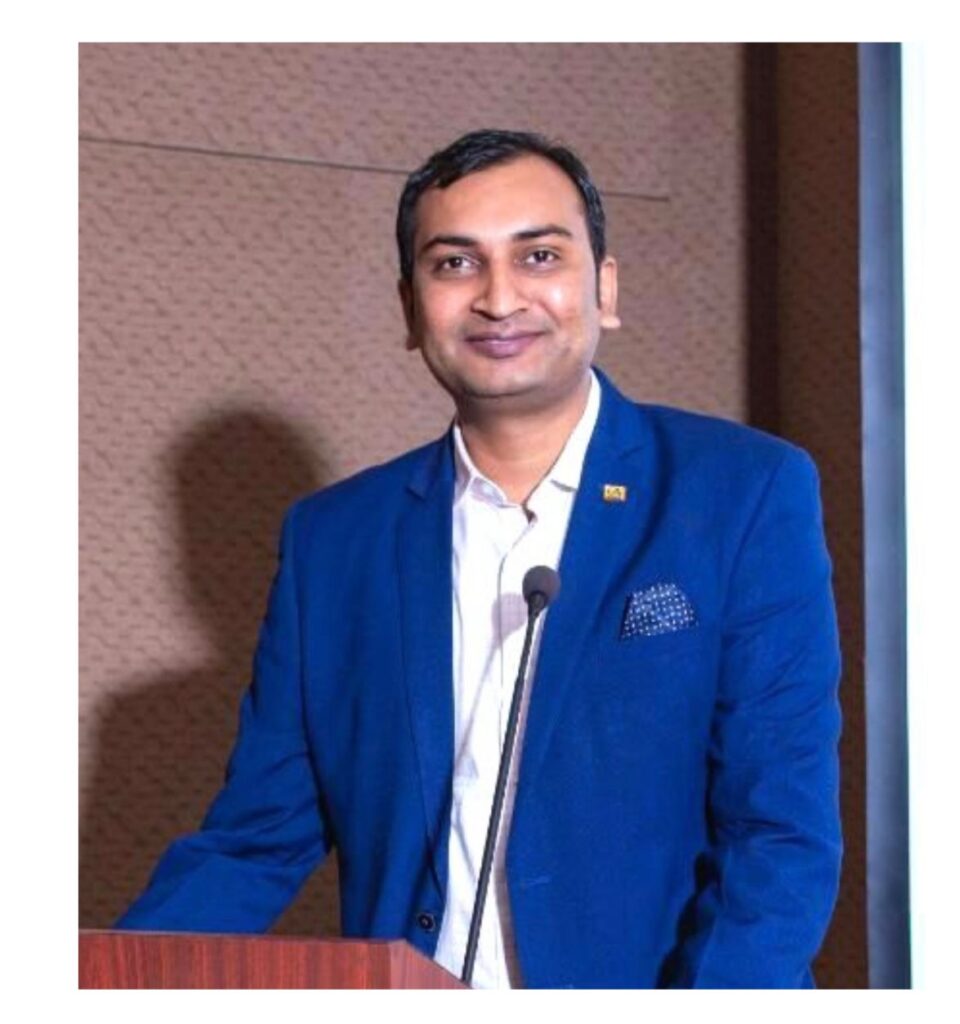
Mr. Sarabjeet Kukreja Photo scaled

Sarabjeet Kukreja – Co-living in India: A Solution to the Challenges of Population Growth and Urbanization

The Indian population is expected to surpass that of China, presenting both challenges and opportunities for growth. Co-living (community living) involves communal living, where individuals share spaces such as kitchens, living rooms, balconies, and private bedrooms. Co-living spaces can be shared apartments, houses, or purpose-built buildings.   For a considerable time, individuals pursuing education or employment have struggled to find suitable accommodation. Paying Guest (PG) arrangements have been a common choice, with saving money taking precedence over luxury living. The presence of a roof over one’s head has sufficed. Unless there was a relative living in the same city, the only viable option was a PG, which has always been looked upon unfavorably.    Dealing with the warden, who controlled the facility, was undesirable, particularly in the case of issues like water scarcity, bad food, seepage/leakage, pest infestations, or security, etc. Consequently, individuals felt pressured to save money for their families, leading to stress and health concerns. However, with the emergence of co-living, the era of PGs or unorganized living has come to an end.   Co-living is a unique solution in India due to the magnitude of the population, with overcrowding causing a strain on infrastructure and the overall quality of life. Co-living maximizes space use, reduces urban congestion, promotes sustainable living, and efficient resource utilization. Additionally, co-living provides fully furnished units, an experienced manager, a building superintendent, a concierge, and repair and maintenance services to ensure residents’ living standards are not compromised.   Co-living also fosters a sense of community and support networks crucial for mental well-being. India can lead in establishing co-living standards and concepts that cater to different groups’ needs, including students, young professionals, and families. Co-living can create inclusive communities, bringing people from different backgrounds and socioeconomic groups together. Establishing guidelines and standards for co-living spaces is essential to build trust and confidence among potential residents and investors.   Embracing co-living and adapting it to its unique needs can help India manage population growth and lead in building sustainable, inclusive, and thriving communities. As the world grapples with urbanization, climate change, and sustainability challenges, India has a unique opportunity to demonstrate co-living as a solution.   “The provision of affordable, superior living solutions to urban India’s young professionals is a substantial problem that Zolo seeks to address. We are pleased to support their vision of creating an all-inclusive and convenient housing solution for students and individuals alike, with the aim of building a thriving community that promotes strong social ties.” – said Sarabjeet Kukreja, Founder & CEO of Zeassetz, a subsidiary of Zolo Stays – India’s leading co-living brand.   Author Details Name: Mr. Sarabjeet Kukreja Company: Zeassetz Designation: Founder & CEO

Sarabjeet Kukreja – Co-living in India: A Solution to the Challenges of Population Growth and Urbanization Read More »

CA Govind M Chandak Photo

CA Govind Chandak – Impact of Rs 10 Crore Capital Gains Deduction Cap on Luxury Property Sales and HNIs

How will the Rs 10 crore deduction limit on capital gains on reinvestment in residential properties affect HNIs and ultra-luxurious property sales?   The Finance Minister, Nirmala Sitharaman, recommended capping the deduction from capital gains on residential property investments under Sections 54 and 54F at Rs 10 crore in the budget. The new provision aims to prevent high-net-worth individuals from claiming huge deductions after purchasing very expensive residential houses.   Previously, there was no such limit, and typically, high-net-worth individuals would utilize this avenue to reduce their capital gains tax liability. However, the government proposed to curtail the benefits available under the provisions to the extent of Rs 10 crore to curb these practices. Capital gains arising from the sale of long-term assets, including residential houses, are currently exempt from tax if the proceeds are invested in another residential property, and there is no cap on the amount on which the deduction could be obtained. However, under the new provisions, a cap of Rs 10 crore has been put on capital gains on which the deduction will be available. This means that if one sells a house and gains more than Rs 10 crore, the maximum benefit is only Rs 10 crore when invested in another property.   The move is likely to impact the sale of ultra-luxury properties in prime South Delhi, Mumbai, and farmhouses. It will also affect state revenues through property registrations. Major real estate consultants believe that the move would have no direct impact on primary luxury housing sales, but the resale luxury market would be affected.   Author Details Name: CA Govind M Chandak Email: info@finnsdom.com    

CA Govind Chandak – Impact of Rs 10 Crore Capital Gains Deduction Cap on Luxury Property Sales and HNIs Read More »

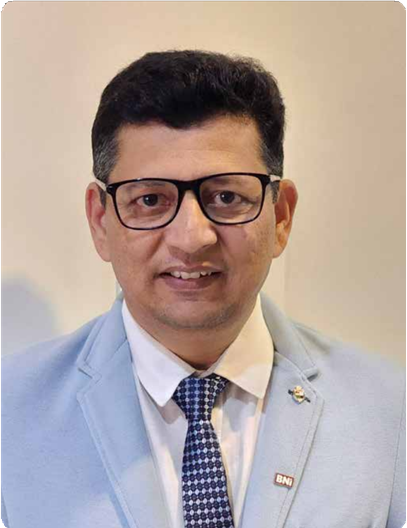
Ar. Harish Padia Photo 1

Ar. Harish Padiya – Young Professionals Flocking to Pune Spark Growth in Architecture and Design

Maverick Architects, Pune is a multi-disciplinary firm rendering architectural services with a sustainable approach. We have designed a wide arena of architectural projects from hospitals and commercial offices to residential bungalows and also completed various interior projects. The firm is headed by Principal Architect Harish Padiya with 18 years of experience in the field of architecture. He completed his Bachelors in Architecture in the year 2004 after which he worked with a reputed architectural firm for three years and gained in-depth knowledge in residential townships, mixed-use buildings, bungalows and various commercial projects. Furthermore, he also worked with a Developer as a Design Consultant before starting his own practice in the year 2009, with the aim of combining architecture, interiors and landscape design to create a strong identity. The city of Pune experienced a great boom in the Real Estate from the year 2003-2004. Pune’s Real Estate market has seen a lot of positive changes, making it one of the top choices for Property Buyers. An increasing number of pensioners in other parts of India want to relocate to Pune. The city and suburbs like Hinjewadi, Baner, Hadapsar and Pashan will therefore have an increased demand for housing. It is fair to say that Pune’s housing market is growing at a healthy pace. There have been a lot of young professionals moving here every year for education and to work in the IT Sector. The development of Real Estate has given Architects and Designers the opportunity to explore further. It is safe to say that investment in the Residential and Commercial Sector in Pune will offer good returns in the long run. Author Details Ar.Harish Padiya Principal Architect, MAVERICK Architects info@maverickarchitects.com      

Ar. Harish Padiya – Young Professionals Flocking to Pune Spark Growth in Architecture and Design Read More »

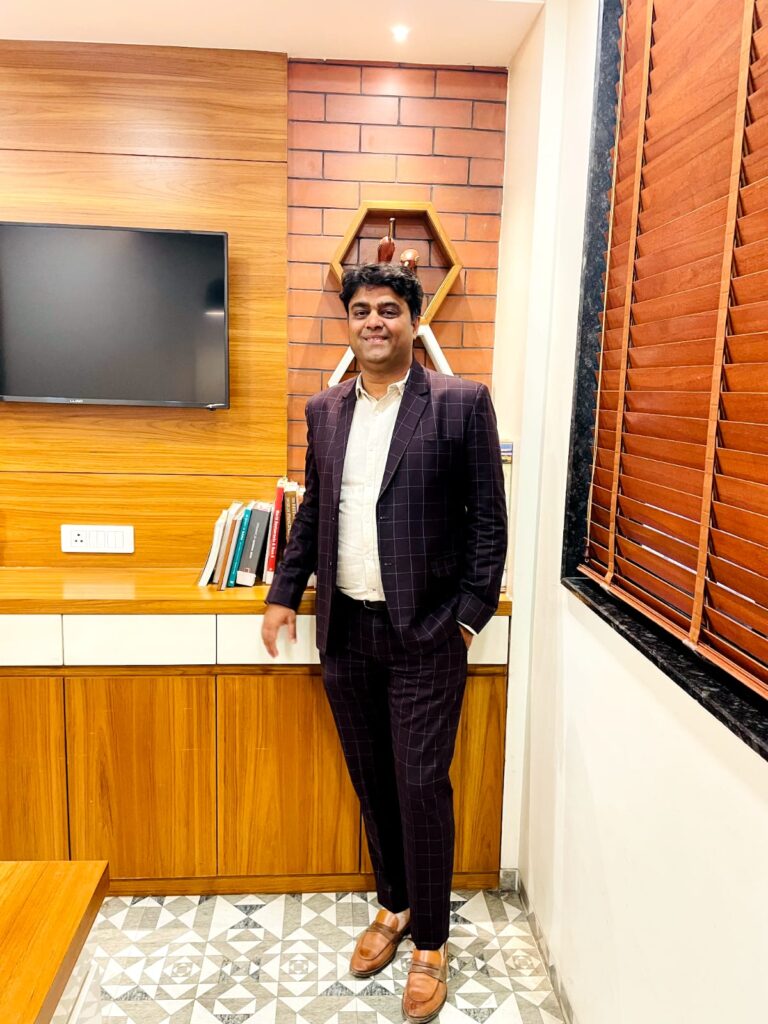
Mr. Deepak Saraf Photo

Deepak Saraf

Pune Real Estate Market Pune is known as a Cultural City and an Educational Hub of India. Since 1998 IT Sector started in Pune and the Real Estate Market in Pune got a boost with many Residential and Commercial Real Estate opportunities. When COVID wave was in its severe stage the work-from-home concept was started, due to spending a lot of time at home people needed wider living spaces and a separate special workspace for their work-from-home, so there was a big boom in the market for buying Bigger Homes. Redevelopment Work In 2021, the Government changed some norms about the FSI. It has increased the Redevelopment opportunities in Pune. In several areas of the City the buildings are older than 20 to 25 years. The owners & occupants of these old buildings are going for redevelopment so that they can get bigger and more modern homes. As the FSI Norms changed Builders and Developers got a good opportunity to construct more. Also increasing the FSI and Height of the old building saves agricultural lands. About Us We are a Construction & Interior Construction Company with a keen focus on delivering quality & setting benchmarks, backed by a strong track  record in interiors for high end Bungalows, IT Parks,  Hotels, Residential Flats, etc. Our Strengths Total 25000 sq. ft. of coup lock system shuttering material, fully skilled labour & state-of-the art tools & tackles required for top notch work. Skilled team of Interior Works. Our Services Residential & Commercial Construction Bungalows (Civil & Interior Works) Fit Outs of Commercial Buildings, Hotels, IT Parks Industrial Works BOQ and Estimation Consultant Coordination & Management Site Inspection We hold a Building Design Open License & a broad knowledge of building legislation, with the experience & expertise to undertake & successfully deliver all commercial & residential projects. Author Details Mr. Deepak Prabhakar Saraf Chairman, Deepak Saraf Associates ( From Conception To Creation )

Deepak Saraf Read More »

GET IN TOUCH
Scroll to Top